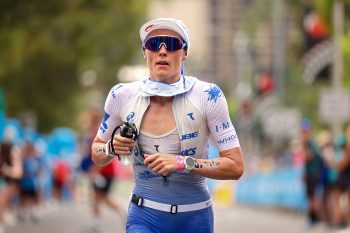
La storia del triathlon, e in particolare quella dell’IRONMAN, fino ad oggi ha sempre raccontato imprese e traguardi tra cadute e rinascite. E se gli ultimi numeri mostrano una crescita significativa a livello globale su tutti i fronti (numero di donne al via, partecipazione di giovani, richieste di gare, etc.), forse non è soltanto per una questione di puro marketing. C’è qualcosa di più profondo ma che fa la differenza tra gareggiare e sentirsi vivi.
Perché un atleta che cade è lo stesso che poi rinasce, in un ciclo quasi perenne tra inferno, purgatorio e paradiso che lo spinge ogni volta a diventare la versione migliore di sé stesso. E siccome il triathlon, per citare gli amici dello Swatt Club, è uno di quegli sport dove “non ci sono differenze”, questo approccio vale tanto per gli amatori quanto per i professionisti come Lucy Charles-Barclay, che di cadute e rinascite ne ha vissute parecchie, specialmente in questi ultimi mesi.

2025-2026, cadute e rinascite di Lucy Charles-Barclay
Dopo l’altalena emotiva (e sportiva) tra il ritiro al mondiale di Kona 2025 e il trionfo in quello immediatamente successivo di Marbella, la “sirena” del triathlon mondiale ha iniziato il 2026 con un’altra sfida da affrontare: un delicato intervento chirurgico al piede destro per la rimozione del tendine plantare (prima ispessito e poi infiammato causa overtraining) che creava attrito col vicino tendine d’Achille limitandone lo spazio di scorrimento naturale e provocandole forti dolori.
Ma il carattere della britannica è venuto fuori anche questa volta. A febbraio, per esempio, dopo quattro settimane dall’operazione, quando la campionessa del mondo 70.3® è tornata sul primo gradino del podio vincendo gli 800 m stile libero (17:29.40) ai Campionati della Contea dell’Essex svoltisi presso il London Aquatics Centre. Ma anche a marzo, dove ha gareggiato sui 1500 metri fermando il crono a 17:08 (tra i primi dieci migliori tempi britannici). Insomma, due test importantissimi sulla via del recupero che per quest’anno ha un obiettivo dichiarato: riprendersi quel titolo mondiale ottenuto nel 2023.

Partiamo da Marbella, una carezza dopo il dispiacere di Kona e il tuo lutto familiare. Ma anche una dimostrazione di forza, rinascita e amore per il triathlon. Come hai vissuto il breve periodo tra le due gare e quali sentimenti ha provato?
«Sì, dopo Kona in realtà mi sono sentita fortunata: il tempo trascorso tra il ritiro e un’altra opportunità non è stato troppo lungo. Questo mi ha permesso di tornare a casa con un obiettivo molto chiaro: rimettermi subito al lavoro e trasformare la delusione in qualcosa di produttivo. Sentivo davvero di poter ribaltare la situazione e concedermi un’altra possibilità di vincere un titolo mondiale. Quel periodo è diventato però più difficile con la perdita di un familiare molto caro e con Reece che, comprensibilmente, ha dovuto concentrarsi sulla propria famiglia. Questo ha fatto sì che mi chiudessi un po’ nella mia bolla, abbassando la testa e rimanendo concentrata, per lavorare con costanza verso la gara successiva e vedere fin dove sarei potuta arrivare. Nonostante tutto, però, mi sono sentita incredibilmente motivata. Ero determinata a reagire a quella battuta d’arresto e, a dire il vero, anche entusiasta di avere un’altra opportunità di lottare per un titolo mondiale».
Da dove si comincia a rimettere in ordine i pezzi dopo un’esperienza negativa come quella di Kona?
«Dopo una delusione come un ritiro a Kona, il primo passo è concedersi di viverla fino in fondo. Per circa 24 ore mi sono lasciata andare alla tristezza e ho cercato di elaborare quel “cosa sarebbe potuto succedere”. Quando investi così tanto in un grande obiettivo e poi le cose non vanno come speravi, è dura. E stai male anche per il tuo team, che ha messo tutto nel sostenerti. Ma è importante affrontare quelle emozioni in modo diretto. Una volta fatto, riesci anche a superarle più velocemente. Nel giro di un paio di giorni le avevamo elaborate come squadra e avevamo già iniziato a rimettere insieme i pezzi. Con Marbella dietro l’angolo abbiamo cambiato subito prospettiva. All’inizio non eravamo nemmeno sicuri che sarebbe stato possibile, ma avere un altro obiettivo così vicino mi ha aiutata ad andare avanti rapidamente. Una singola gara non definisce una carriera. La chiave è ritrovare il focus, resettare e impegnarsi sulla prossima opportunità».


C’è stato un po’ di fermento dopo le due grandi modifiche introdotte da IRONMAN®al sistema di qualificazione Age-Group, ispirate anche dalla petizione di Mark Allen a favore di una percentuale maggiore di presenza di donne al mondiale. Cosa pensi al riguardo?
«Penso sia fantastico che IRONMAN®e Scott DeRue stiano ascoltando ciò che atleti e appassionati, in tutte le categorie, chiedono da tempo. Lo abbiamo visto recentemente anche con le modifiche alla regola della zona di drafting aumentata a 20 metri, che dimostrano la volontà di far evolvere questo sport anche in risposta ai feedback ricevuti».
Hai poco più di 30 anni e sei la triatleta più popolare al mondo grazie a una serie di successi incredibili che includono gare iconiche come il mondiale di Kona, il Challenge Roth e lo European IM Champ, solo per citarne “qualcuna”. Che atleta vuole diventare Lucy Charles-Barclay? E quali sono i traguardi che senti di poter raggiungere?
«Sono incredibilmente orgogliosa di ciò che ho ottenuto finora nel triathlon, ma sento che c’è ancora molto da fare. Quando ho iniziato questo sport, il mio obiettivo principale era semplice: godermi il percorso e vedere quali risultati sarebbero arrivati. Sono grata che entrambe le cose si siano realizzate. Mi piacerebbe aggiungere altri titoli mondiali e credo sinceramente di essere ancora al massimo della mia forma. Ma al di là dei risultati, c’è sempre stata una cosa molto importante per me: trasmettere un messaggio positivo, soprattutto alle ragazze e alle donne che praticano questo sport. Attraverso il movimento “Battle Braid” (“treccia da battaglia”), voglio essere un modello che dimostri che si può prendere la performance molto sul serio continuando allo stesso tempo a divertirsi, costruire amicizie e vivere pienamente il percorso. Per me questo equilibrio è tutto. Quando ti diverti davvero in quello che fai, i risultati tendono ad arrivare perché stai performando da una posizione di fiducia, energia e amore per questo sport».

Secondo te, oggi, chi sono le principali avversarie di questa Lucy Charles-Barclay? E tra le giovani promesse del triathlon c’è qualche ragazza in cui ti rivedi?
«Nel triathlon emergono sempre nuovi talenti, ma in questo momento la competizione ai vertici delle gare long distance è incredibilmente forte. La mia principale rivale sulle distanze più lunghe è Taylor Knibb. All’ultimo mondiale hawaiano abbiamo dato vita a una battaglia epica, e poi ci siamo ritrovate di nuovo testa a testa il mese successivo al mondiale di Marbella, così come nella classifica generale finale del T100, lei al 1° posto e io al 2°. Confronti di questo tipo alzano davvero il livello dello sport. Anche Kate Waughsta gareggiando in modo straordinario e mi fa davvero piacere trovarmi sulla linea di partenza insieme a lei. Sono anche curiosa di vedere Julie Derron gareggiare a Kona. L’anno scorso non ha avuto l’opportunità di partire, ma penso che su quella distanza potrà essere molto competitiva. In questo momento il livello del triathlon femminile è altissimo econtinua a salire, le sfide sono entusiasmanti e lo sport si trova in un momento davvero molto positivo».
Un sogno ad occhi aperti: vedremo mai Lucy Charles-Barclay all’IRONMAN® Italy?
«Avendo sentito così tanti racconti straordinari da mio marito sulla sua esperienza all’IRONMAN® Italy, è sicuramente una gara che mi colpisce molto. A Cervia, nel 2018, Reece chiuse al 5°posto e me ne parlò con grandissimo entusiasmo, non solo perché quello fu un momento molto importante per la sua carriera ma soprattutto per l’atmosfera, il supporto lungo il percorso, il cibo e l’ospitalità prima e dopo la gara. L’’talia ha una cultura sportiva molto forte che, insieme ai paesaggi e alla cucina, rende tutto estremamente affascinante. Mi piacerebbe davvero avere l’opportunità di gareggiare lì un giorno, magari da Pro. Ma anche se questo non dovesse accadere durante gli anni della mia carriera di atleta professionista, allora rimarrà sicuramente nella lista di gare da fare nel dopo carriera, partecipando semplicemente per il piacere di farlo e godermi appieno il cibo e l’esperienza».
(Giacomo Petruccelli)
(English version)
Lucy Charles-Barclay, falls and comebacks of the mermaid of world triathlon
The history of triathlon — and of IRONMAN in particular — has always been a story of achievements and milestones shaped by falls and comebacks. And if recent figures show significant global growth across all fronts (number of women on the start line, youth participation, race demand, etc.), perhaps it’s not just a matter of pure marketing. There’s something deeper at play — something that makes the difference between simply racing and truly feeling alive.
Because an athlete who falls is the same one who rises again, in an almost perpetual cycle between hell, purgatory, and paradise, pushing themselves each time to become the best version of who they can be. And since triathlon — to quote the friends at Swatt Club — is one of those sports where “there are no differences,” this mindset applies just as much to amateurs as it does to professionals like Lucy Charles-Barclay, who has experienced her fair share of setbacks and comebacks, especially in recent months.

2025-2026, the falls and comebacks of Lucy Charles-Barclay
After the emotional (and sporting) rollercoaster between her DNF at the 2025 World Championship in Kona and her triumph at the very next one in Marbella, the “mermaid” of world triathlon began 2026 with yet another challenge: a delicate surgery on her right foot to remove the plantar tendon (initially thickened and later inflamed due to overtraining), which was creating friction with the adjacent Achilles tendon, limiting its natural range of motion and causing significant pain.
But the Brit’s character has come through once again. In February, for instance, just four weeks after the operation, the IRONMAN® 70.3® World Champion returned to the top step of the podium, winning the 800m freestyle (17:29.40) at the Essex County Championships held at the London Aquatics Centre. Then again in March, she raced the 1500m, stopping the clock at 17:08 — one of the top ten British times. In short, two extremely important tests on her road to recovery, with a clear goal for this season: to reclaim the world title she won in 2023.


Let’s start with Marbella — a gentle balm after the disappointment of Kona and the loss in your family. But also a display of strength, rebirth, and love for triathlon. How did you experience the short period between the two races, and what emotions did you carry with you? «Yes, after Kona, I actually felt fortunate that the gap between not finishing there and having another opportunity wasn’t too long. It meant I could come home with a really clear focus — get straight back to work and channel the disappointment into something productive. I genuinely felt I could turn it around and give myself another shot at winning a world title. That period became more challenging with the loss of a beloved family member, and with Reece understandably needing to focus his attention on his family. It meant I had to go into my own little bubble — just put my head down, stay focused, and work steadily towards my next race to see what I could do. But throughout it all, I felt incredibly motivated. I was determined to respond to the setback, and honestly, I was just excited to have another opportunity to fight for a world title».
Where does one begin to put the pieces back together after a difficult experience like the one in Kona? «After a disappointment like not finishing in Kona, the first step is to allow yourself to fully feel it. For about 24 hours, I let myself be sad and process the “what could have been.” When you’ve invested so much into a major goal, and it doesn’t come together, it’s tough. You also feel it for your team, who’ve put everything into supporting you. But it’s important to face those emotions head-on. Once you do, you can move through them faster. Within 24 to 48 hours, we’d processed it as a team and started putting the pieces back together. With Marbella just around the corner, we shifted focus. At first, we weren’t sure it would be possible, but having another goal so soon helped me move forward quickly. One race doesn’t define your career. The key is to refocus, reset, and commit to the next opportunity».

These past days have brought quite a bit of discussion following IRONMAN’s most recent updates to the age-group qualification system — changes inspired also by Mark Allen’s petition advocating for greater women’s representation at the World Championship. What are your thoughts on this? «I think it’s great that IRONMAN® and Scott DeRue are listening to what athletes and fans across all categories have been advocating for. We’ve seen this more recently with the changes to the 20-metre draft zone rule, which show they’re willing to evolve the sport in response to feedback».
You’re just over 30 years old and already the most popular triathlete in the world, with an incredible palmarès that includes iconic races such as the Kona World Championship, Challenge Roth, and the European IM Championship (just to name “a few”). What kind of athlete does Lucy Charles-Barclay aspire to become, and what goals do you still feel are within reach? «I’m incredibly proud of what I’ve achieved in triathlon so far, but I still feel there’s more to come. When I first entered the sport, my main goal was simple: enjoy the journey and see what success followed. I’m grateful that both have come my way. I’d love to add more world titles, and I genuinely believe I’m still performing at the top of my game. But beyond results, something that’s always mattered to me is spreading a positive message — especially to young girls and women in the sport. Through the “Battle Braid” movement, I want to be a role model who shows that you can take performance seriously while still having fun, building friendships, and embracing the process. For me, that balance is everything. When you truly enjoy what you’re doing, the results tend to follow — because you’re performing from a place of confidence, energy, and love for the sport».

In your opinion, who are the main rivals of the current Lucy Charles-Barclay? And among the rising stars of triathlon, is there a young athlete in whom you see a bit of yourself? «Triathlon always has rising stars coming through, but right now the competition at the front of long-course racing is incredibly strong. My main rival over the longer distances has been Taylor Knibb. We had an epic battle off the front in IRONMAN® World Championship in Kona, and then went head-to-head again at the IRONMAN® 70.3® World Championship in Marbella, finishing first and second over the T100 distance. Those kinds of matchups really elevate the level of the sport. Kate Waugh has also been racing incredibly well, and I genuinely enjoy lining up against her. I’m also looking forward to seeing Julie Derron race in Kona. She didn’t get the chance to start last year, but I think she’ll be very competitive over that distance. There’s huge depth in the women’s field right now. The standard keeps rising, the battles are exciting, and the sport is in a very strong place».
Let us dream: will we ever see Lucy Charles-Barclay racing at one of the three IRONMAN® Italy events? «Having heard so many incredible things from my husband, about his experience racing at IRONMAN® Italy, it’s definitely a race that stands out to me. He finished fifth there and spoke so highly of it — not just because of the atmosphere and support on course, but also because of the food and hospitality before and after the race. Italy has such a strong sporting culture, and combining that with the scenery and cuisine makes it incredibly appealing. I’d love the opportunity to race there one day, ideally in a professional women’s field. And if that doesn’t happen during my career, then it’s firmly on the list for retirement — racing for pure enjoyment of it and fully embracing the food and experience».